

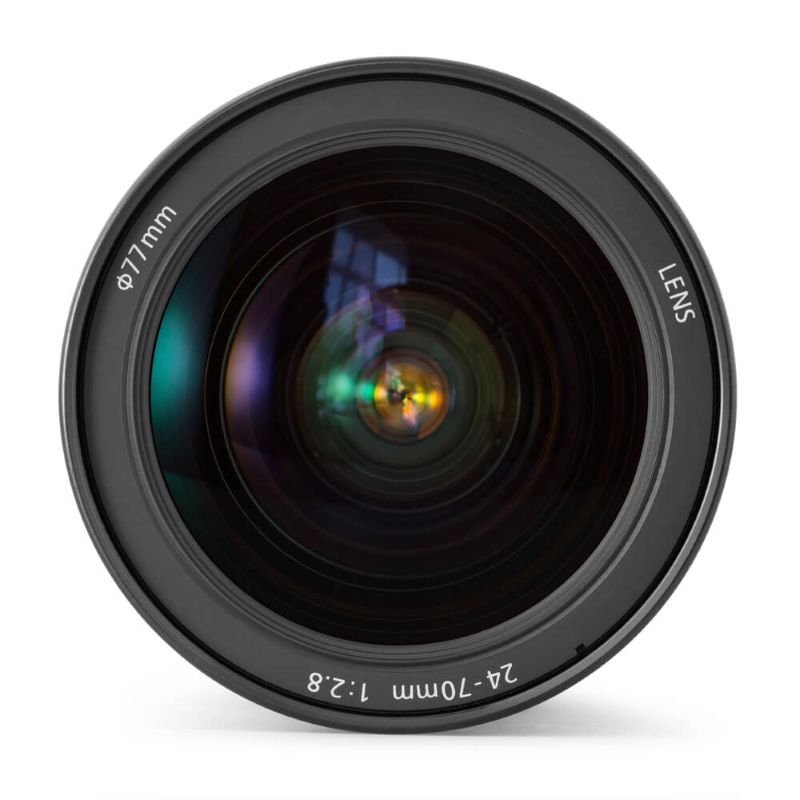
Photography tips for beginners often sound complex, but strong photos grow from simple habits and steady practice. Beginner photography tips usually begin with learning camera settings for beginners and understanding photography basics for beginners. Anyone wondering how to start photography should first slow down and observe light, shape, and timing. Tips for beginners with DSLR cameras also include the element of control. Other useful information under this DSLR guide includes the steps provided that are easy to understand.
Every great image starts with the basics of photography for beginners. Without the basics of photography, even the most advanced camera is unable to deliver good results. The importance of the basics of photography in the tips for beginners has prompted the repetition of the topic.
The basics include
Exposure controls how bright or dark a photo appears. It depends on three things called the exposure triangle
Learning camera settings for beginners starts here. Aperture controls how much light enters the lens and how blurry the background looks. Shutter speed controls motion. ISO controls brightness but can add grain. These small controls may look confusing at first, yet practice makes them feel natural after some time.
Beginner photography tips always encourage testing settings in different light. A bright afternoon needs different settings than an indoor room. Patience builds skill, even if mistakes happen sometimes.
Read More: Photography Composition Basics: Key Techniques for Beginners
Many people ask how to start photography without feeling overwhelmed. The answer is simpler than it sounds. Start with one camera, one lens, and one goal.
Follow these steps
Photography tips for beginners often stress consistency. Ten minutes of practice each day can teach more than one long session every month. Skills grow when repetition becomes a habit.
Photography basics for beginners also include understanding light direction. Adding side lighting gives depth to the image. The front light reduces shadows. Backlight generates a glow effect but needs to be under correct exposure control. Observe light effects on objects during morning and evening hours to assist beginners in understanding light patterns.
DSLR tips for the beginner include switching from "auto" to "Aperture Priority" first. Aperture priority mode helps teach the user how to control the depth of the image without overwhelming them. Manual mode follows after this.
Camera settings for beginners may look technical, yet they are manageable when broken into small parts. Learning each setting one at a time prevents confusion.
A wide aperture, such as f 1.8, creates background blur. A small aperture, for instance, like f11, will help you keep more of the image in focus. Photography tips for beginners suggest using wide apertures for portrait photography and narrow apertures for landscape photography.
Fast shutter speeds freeze movement. Slow shutter speeds show motion blur. Beginner photography tips encourage practicing with moving cars or flowing water to understand motion control.
Low ISO works best in bright light. High ISO is used in dark environments but introduces noise into images. The basics of photography for beginners cover balancing ISO with aperture and speed.
Practicing these three settings together improves image quality. Camera settings for beginners feel less confusing after repeated trials in real scenes.
Strong composition makes photos look balanced. Photography tips for beginners often highlight framing because it changes everything.
Important composition techniques include
The rule of thirds divides the frame into nine parts. Placing subjects along those lines creates natural balance. Leading lines guide the viewer’s eye. Negative space gives breathing room.
Photography basics for beginners show that simple backgrounds improve focus. Busy scenes distract attention. Clean framing helps viewers understand the subject clearly.
Beginner photography tips also recommend moving closer instead of zooming too much. Physical movement builds better perspective awareness.
Light shapes mood, texture, and detail. Good lighting matters more than expensive equipment.
Natural light works beautifully during golden hour. This time occurs shortly after sunrise and before sunset. Shadows look softer, colors appear warmer. Photography tips for beginners often suggest practicing during these hours.
Indoor photography benefits from window light. Place subjects near windows and turn off harsh ceiling lights. Camera settings for beginners should adjust ISO and shutter speed indoors to prevent blur.
Using reflectors, even simple white paper, can bounce light onto faces. Small adjustments change the entire feel of an image.
DSLR tips for beginners also advise avoiding direct flash whenever possible. The reason being flash can flatten features and create harsh shadows. If flash is to be used, diffusers soften the effect.
Expand Your Knowledge: Portrait Photography Secrets Every Photographer Should Know
DSLR tips for beginners focus on control and understanding features.
Key suggestions include
RAW files store more detail than JPEG. This allows better correction during editing. Photography basics for beginners often include light editing using trusted software to adjust brightness, contrast, and white balance.
Camera settings for beginners also improve when shooting in RAW because exposure adjustments become easier.
Understanding focus modes is important. Continuous autofocus works well for moving subjects. Single autofocus suits still objects. Beginner photography tips highlight testing these modes in safe environments.
Practice builds skill faster than theory. Photography tips for beginners always return to one truth. Regular shooting matters more than perfect gear.
Try these habit-building ideas
How to start photography is less about buying equipment and more about consistent action. Learning the photography basics for a beginner takes time, and progress in the beginning may feel slow. That is normal.
Feedback helps growth. Constructive critique reveals blind spots. Listening carefully improves composition and camera settings for beginners naturally.
New photographers often repeat similar mistakes. Awareness prevents frustration.
Common errors include
Photography tips for beginners suggest checking the edges of the frame before pressing the shutter. Small details in the background can ruin strong subjects.
DSLR tips for beginners also recommend using the histogram tool. This graph shows exposure levels clearly. Learning to read it improves understanding of light balance.
Photography basics for beginners remind users to clean the lens frequently. Dust and smudges reduce sharpness without being noticed.
Editing improves images but should remain subtle. Camera settings for beginners aim to capture the best possible file in the camera first. Editing then enhances, not fixes everything.
Basic editing steps include
Beginner photography tips advise avoiding heavy filters. Natural tones usually look more timeless. Balanced editing strengthens credibility and trust in work.
Professional standards emphasize honesty in representation. There’s always a chance of confusing the audience if over-manipulation is done.
Read Next: Master Visual Storytelling: Photography Tips & Techniques
With Photography tips for beginners being used on a daily basis with patience and concentration geared towards improvement, understanding camera settings for beginners, mastering photography basics for beginners, and utilizing DSLR camera tips for beginners, can prove to be beneficial. Learning how to start photography can thus prove to be beneficial to any individual.
Practice each day using available light and subject matter. Try one at a time and study the results. Little by little is the best way to develop strong skills.
Start with aperture, shutter speed, and ISO. These three control exposure and form the foundation of photography basics for beginners.
Use any available camera and focus on light and composition. Beginner photography tips show that skill matters more than equipment quality.
Most DSLR tips for beginners apply to mirrorless cameras too. Exposure, focus, and composition principles remain the same across systems.
This content was created by AI